

Tracking Your Expenses to Build Financial Control
Feeling lost when it comes to your money? Do you ever wonder where it all goes each month? You’re not alone. Many people struggle with managing their finances effectively. The key to gaining control of your financial life isn’t about drastic measures, but about understanding where your money is going. That’s where expense tracking comes in. It’s a simple yet powerful tool that can give you insights into your spending habits and help you make informed financial decisions. Think of it as shining a light into the dark corners of your bank account.
Key Takeaways:
- Expense tracking provides a clear picture of your spending habits, revealing where your money actually goes.
- Consistent tracking allows you to identify areas where you can reduce spending and save more money.
- Expense tracking is the foundation for creating an effective budget and achieving your financial goals, whether it’s paying off debt or saving for a down payment.
- Various methods exist for expense tracking, from simple spreadsheets to dedicated apps, allowing you to choose what works best for you.
Understanding the Importance of Expense Tracking
At its core, expense tracking is the process of recording all your expenses, big and small. This includes everything from your rent or mortgage payment to your daily coffee purchase. By meticulously recording each expense, you gain a clear understanding of your spending patterns. This awareness is the first step towards taking control of your finances.
Many people avoid expense tracking because they think it’s tedious or time-consuming. However, with the right tools and approach, it can be surprisingly easy and even insightful. Think of it like a detective investigating a mystery. Each expense is a clue, and by piecing them together, you can uncover the truth about your financial habits. For example, you might be surprised to find that you’re spending a significant amount of money on takeout food each month. This realization can then motivate you to cook more meals at home, saving you money in the long run.
Furthermore, expense tracking allows you to identify potential areas where you can cut back on spending. Maybe you’re paying for a subscription service you no longer use, or perhaps you’re overspending on entertainment. By pinpointing these areas, you can make conscious decisions to reduce your expenses and allocate those funds towards your financial goals. Imagine having an extra $100 or $200 each month just by cutting back on unnecessary expenses. That money could be used to pay off debt, invest for the future, or simply build up your savings.
Methods for Effective Expense Tracking
There are several methods you can use for expense tracking, each with its own pros and cons. The best method for you will depend on your personal preferences, tech savviness, and the level of detail you want to track.
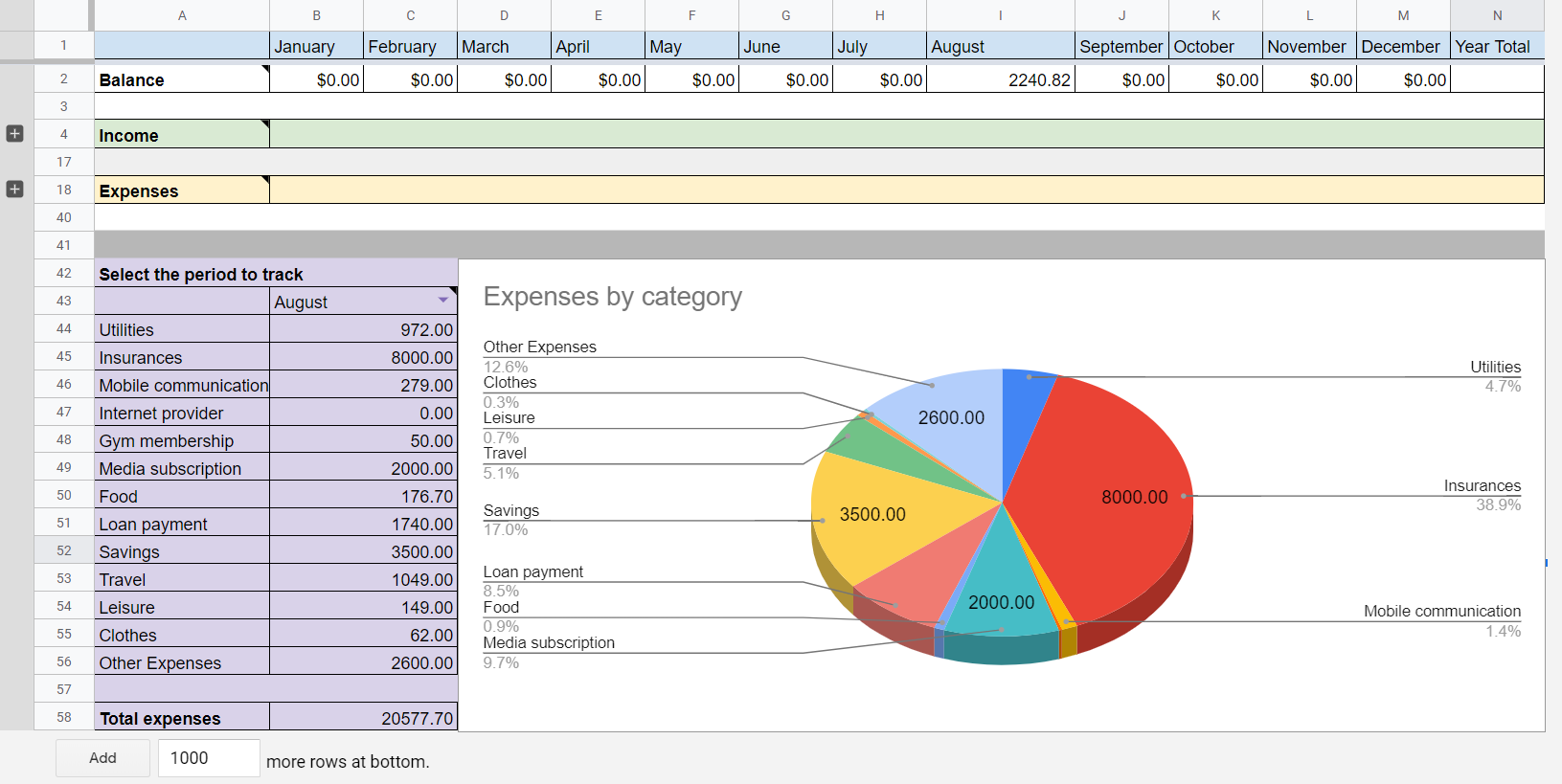
- Spreadsheets: A simple spreadsheet (like Google Sheets or Microsoft Excel) is a great starting point for expense tracking. You can create categories for your expenses (e.g., rent, groceries, transportation, entertainment) and manually enter your expenses as you incur them. Spreadsheets offer flexibility and customization, allowing you to tailor them to your specific needs. Plus, most people already have access to spreadsheet software.
- Budgeting Apps: Numerous budgeting apps are available that can automate the expense tracking process. Many of these apps connect directly to your bank accounts and credit cards, automatically importing your transactions and categorizing them. This eliminates the need for manual data entry and provides real-time insights into your spending. Some popular budgeting apps include Mint, YNAB (You Need a Budget), and Personal Capital.
- Notebook and Pen: For those who prefer a more traditional approach, a simple notebook and pen can be just as effective for expense tracking. This method requires more manual effort, but it can also be more mindful, as you’re actively engaging with your spending habits.
- Bank Statements: While not a proactive method, reviewing your bank and credit card statements regularly is crucial for expense tracking. Look for any unusual or unauthorized transactions and ensure that all your expenses are accounted for. Many banks now offer online tools that categorize your spending, making it easier to identify spending patterns.
The key is to find a method that you find easy to use and maintain consistently. Consistency is crucial for effective expense tracking. Even if you only track your expenses for a week, you’ll gain a valuable insight.
Setting Up Your Expense Tracking System
Now that you understand the importance of expense tracking and the various methods available, let’s discuss how to set up your own system.
- Choose Your Method: Select the method that best suits your needs and preferences. Consider your tech skills, the amount of time you’re willing to dedicate to expense tracking, and the level of detail you want to capture.
- Create Categories: Define categories for your expenses. Common categories include:
- Housing (rent, mortgage, utilities)
- Transportation (gas, public transit, car payments)
- Food (groceries, dining out)
- Entertainment (movies, concerts, subscriptions)
- Personal Care (haircuts, gym memberships)
- Debt Payments (credit cards, loans)
- Savings and Investments
- Track Everything: Make a conscious effort to track every expense, no matter how small. Carry a small notebook and pen with you, or use your smartphone to record expenses on the go.
- Categorize Your Expenses: As you track your expenses, assign them to the appropriate category. This will allow you to see where your money is going and identify areas where you can cut back.
- Review and Analyze: Regularly review your expense tracking data. This could be weekly, bi-weekly, or monthly. Analyze your spending patterns and identify any areas where you’re overspending. Look for trends and insights that can help you make better financial decisions.
Remember, expense tracking is an ongoing process. It’s not a one-time fix, but a habit that you need to cultivate over time. The more consistent you are with tracking your expenses, the more valuable the insights you’ll gain. Many apps offer the options to categorize transaction automatically with a small fee monthly/annually, sometimes as low as 1 gb per month.
Using Expense Tracking to Achieve Financial Goals
Expense tracking is not just about recording your expenses; it’s about using that information to achieve your financial goals. By understanding where your money is going, you can make informed decisions about how to allocate your resources and reach your objectives.
- Budgeting: Expense tracking is the foundation for creating an effective budget. By knowing how much you’re spending in each category, you can create a budget that reflects your actual spending patterns and allocate funds towards your priorities.
- Debt Reduction: If you’re struggling with debt, expense tracking can help you identify areas where you can cut back on spending and free up money to pay down your debts.
- Saving and Investing: By tracking your expenses, you can identify opportunities to save more money and invest for the future. Even small changes in your spending habits can have a significant impact on your savings over time.
- Financial Planning: Expense tracking provides valuable data for financial planning. It allows you to assess your current financial situation, set realistic financial goals, and track your progress towards achieving those goals.
Expense tracking empowers you to take control of your financial life. It provides the knowledge and insights you need to make informed decisions, achieve your financial goals, and build a secure financial future.

Related Posts

Assessing financial performance vs industry standards

How Effective Is Actium X at Recovering Debts?
