
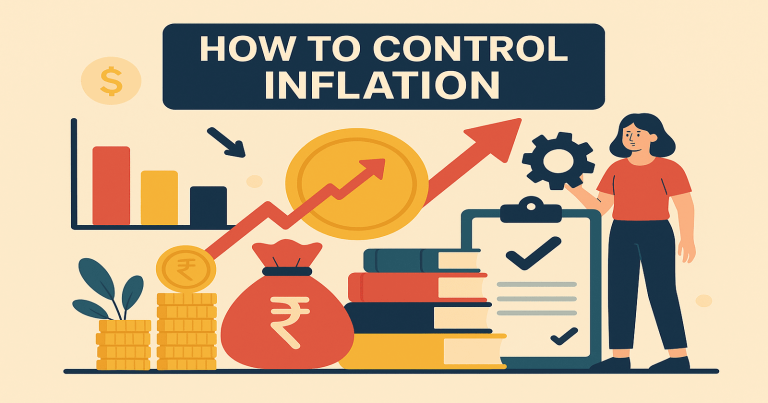
The Relationship Between Inflation and Interest
The dance between inflation and interest rates is a constant and critical one in the world of economics. Understanding this relationship is crucial for anyone wanting to grasp how the economy functions and how central banks, like the Federal Reserve in the US or the Bank of England in the UK, attempt to manage its ebb and flow. Rising prices, shrinking purchasing power – these are the hallmarks of inflation, and interest rates are a primary tool used to combat them.

Key Takeaways:
- Inflation and interest rates have an inverse relationship; central banks often raise interest rates to curb inflation.
- Higher interest rates make borrowing more expensive, slowing down spending and investment, thereby cooling down the economy and easing inflationary pressures.
- The effectiveness of interest rate hikes depends on various factors, including the underlying causes of inflation and the overall economic climate.
- Central banks must carefully balance the need for inflation control with the risk of triggering a recession.
How Do Interest Rates Influence Inflation Control?
At its core, the relationship between interest rates and inflation boils down to supply and demand. When demand exceeds supply, prices tend to rise – this is inflation. Central banks use interest rates as a lever to influence both demand and the money supply.
When a central bank raises interest rates, it becomes more expensive for businesses and individuals to borrow money. This has several ripple effects. Firstly, businesses are less likely to take out loans to expand their operations or invest in new projects. This slows down economic growth and reduces overall demand. Secondly, consumers are less likely to borrow money for large purchases, such as cars or houses. This also reduces demand. Thirdly, higher interest rates can encourage saving, as people earn more return on their savings accounts and investments. This further reduces the amount of money circulating in the economy.
By reducing demand and the money supply, higher interest rates help to cool down the economy and ease inflationary pressures. Think of it like gently pressing the brakes on a speeding car. The goal isn’t to slam on the brakes and cause a crash (a recession), but to gradually slow the car down to a safe speed (stable prices).
The opposite is also true. When a central bank lowers interest rates, it becomes cheaper to borrow money. This encourages businesses and individuals to borrow and spend more, boosting demand and potentially fueling inflation. This is often done during economic downturns to stimulate growth.
The Fed’s Role in Inflation Control
Central banks, such as the Federal Reserve (the Fed) in the United States and the Bank of England in the UK (part of the gb), play a central role in inflation control. They have a dual mandate: to maintain price stability (keep inflation in check) and to promote full employment. To achieve these goals, they constantly monitor economic data, including inflation rates, unemployment rates, GDP growth, and consumer spending.
Based on this data, the Fed (or other central bank) decides whether to raise, lower, or hold steady the benchmark interest rate, which is the rate at which banks lend money to each other overnight. This benchmark rate then influences other interest rates throughout the economy, such as mortgage rates, car loan rates, and credit card rates.
The Fed’s decisions have a significant impact on the economy. If the Fed raises interest rates too aggressively, it risks triggering a recession. If it doesn’t raise rates enough, inflation could spiral out of control. Therefore, the Fed must carefully balance the need for inflation control with the risk of harming economic growth. The effectiveness of their strategies hinges on several factors, including the overall health of the global economy, government spending policies, and consumer confidence.
Understanding the Different Types of Inflation Control
There are different types of inflation, and the appropriate approach to inflation control depends on the underlying cause. Demand-pull inflation occurs when there is too much money chasing too few goods and services. This is often caused by excessive government spending or easy monetary policy (low interest rates). Cost-push inflation, on the other hand, occurs when the cost of production rises, such as due to higher energy prices or wage increases.
Demand-pull inflation is typically addressed by raising interest rates, which reduces demand. Cost-push inflation is more difficult to control. Raising interest rates can help to curb demand, but it can also exacerbate the problem by increasing the cost of borrowing for businesses. In some cases, supply-side policies, such as deregulation or tax cuts, may be more effective in addressing cost-push inflation. These policies aim to increase the supply of goods and services, which can help to lower prices.
Furthermore, understanding the “stickiness” of inflation is important. Some prices and wages are slow to adjust, meaning that even if the central bank acts aggressively, it can take time for inflation to come down. This can be frustrating for policymakers and the public alike, but it is important to remain patient and allow the monetary policy to work its way through the economy.
What Are the Risks of Inflation Control?
While inflation control is essential for a healthy economy, it is not without its risks. The primary risk is that raising interest rates too aggressively can trigger a recession. This is because higher interest rates can slow down economic growth, leading to job losses and business failures.
Another risk is that higher interest rates can hurt borrowers, such as homeowners with mortgages or businesses with loans. This can lead to defaults and foreclosures, which can further destabilize the economy.
Finally, higher interest rates can attract foreign capital, which can strengthen the local currency. This can make exports more expensive and imports cheaper, which can hurt domestic businesses that compete with foreign companies.
Therefore, central banks must carefully weigh the risks and benefits of raising interest rates before taking action. They must also communicate their intentions clearly to the public, so that businesses and consumers can plan accordingly. Effectively navigating these challenges is vital for maintaining a stable and thriving economy.


