Structured innovation mapping for new business products
Mapping innovation helps organizations structure new product ideas from concept to market. It reduces risk and clarifies strategic direction.
Building successful new business products often feels like navigating a dense fog. Companies pour resources into R&D, only to find their innovations miss the mark or fizzle out before launch. From my years of experience, both in startup environments and within large corporations across the US, the difference between a hit and a miss frequently comes down to how effectively innovation is structured and visualized. Without a clear path, even brilliant ideas can stumble. This requires a systematic approach to understanding market needs, internal capabilities, and potential solutions.
Overview
- Innovation mapping for new business products provides a visual framework for organizing product development from ideation to launch.
- It helps identify market gaps, assess technical feasibility, and align new products with strategic business goals.
- A structured approach minimizes risks associated with product failure and inefficient resource allocation.
- Key steps involve understanding customer problems, exploring potential solutions, validating concepts, and building a development roadmap.
- Successful implementation requires cross-functional collaboration and a commitment to data-driven decision-making.
- This methodology helps businesses maintain a competitive edge by consistently bringing relevant and valuable products to market.
The Foundation of Innovation mapping for new business products
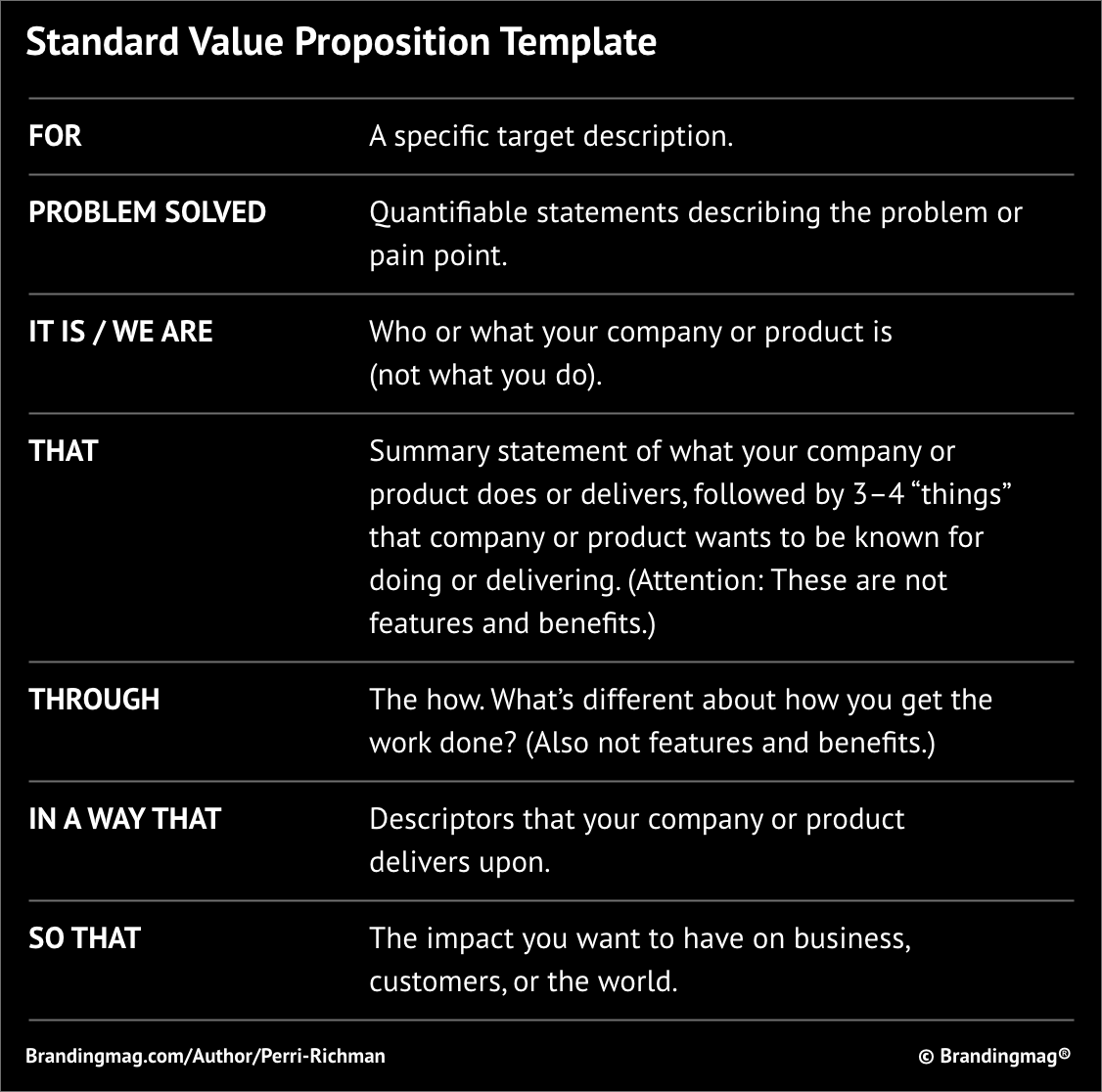
At its core, innovation mapping for new business products is about creating a clear, actionable blueprint for future offerings. It starts by recognizing that innovation isn’t a random event; it’s a process. We begin by deeply understanding customer pain points and unmet needs. This isn’t just about surveys; it involves ethnographic studies, competitor analysis, and trend forecasting. For example, a company developing healthcare technology in the US might map current patient journeys to pinpoint inefficiencies or areas ripe for digital intervention.
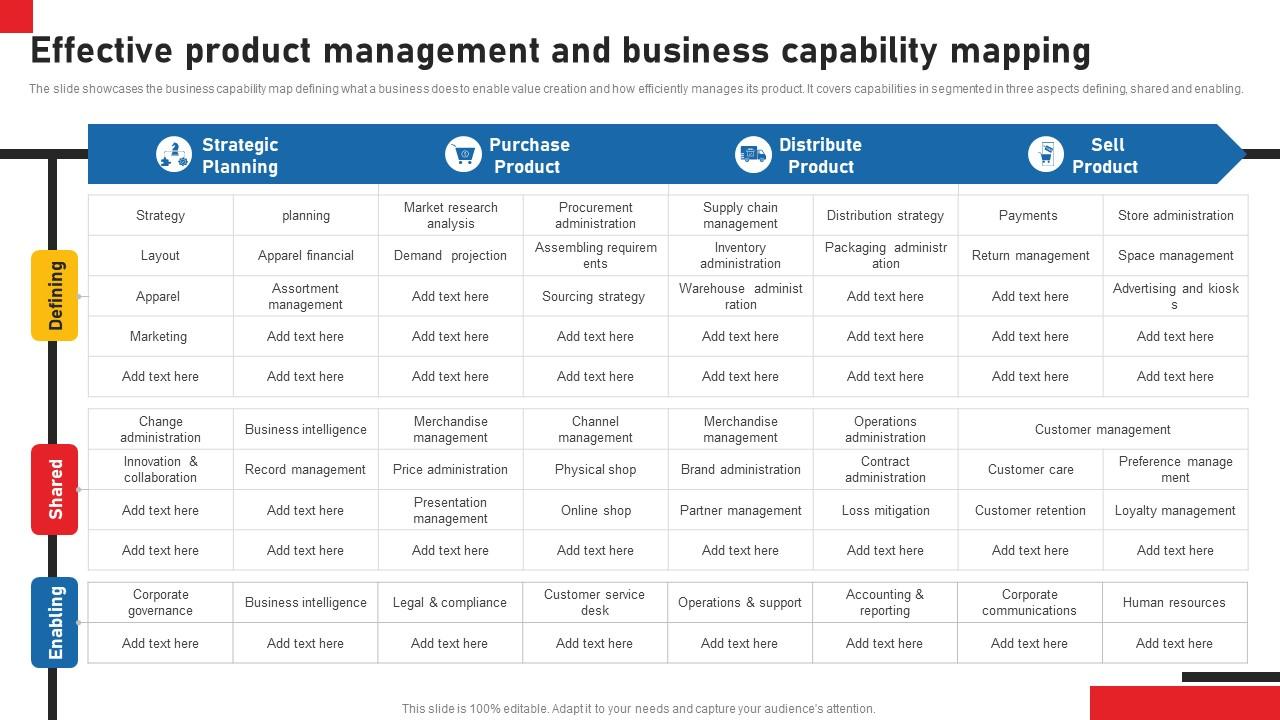
Once needs are understood, we plot potential solutions. This mapping visualizes various technological possibilities, market segments, and business models that could address those needs. It helps prioritize which problems to tackle first and which solutions hold the most promise. This initial phase defines the scope, resources needed, and potential market impact, creating a strategic overview before any significant investment is made. The map serves as a living document, evolving as new insights emerge.
Overcoming Challenges in Product Development
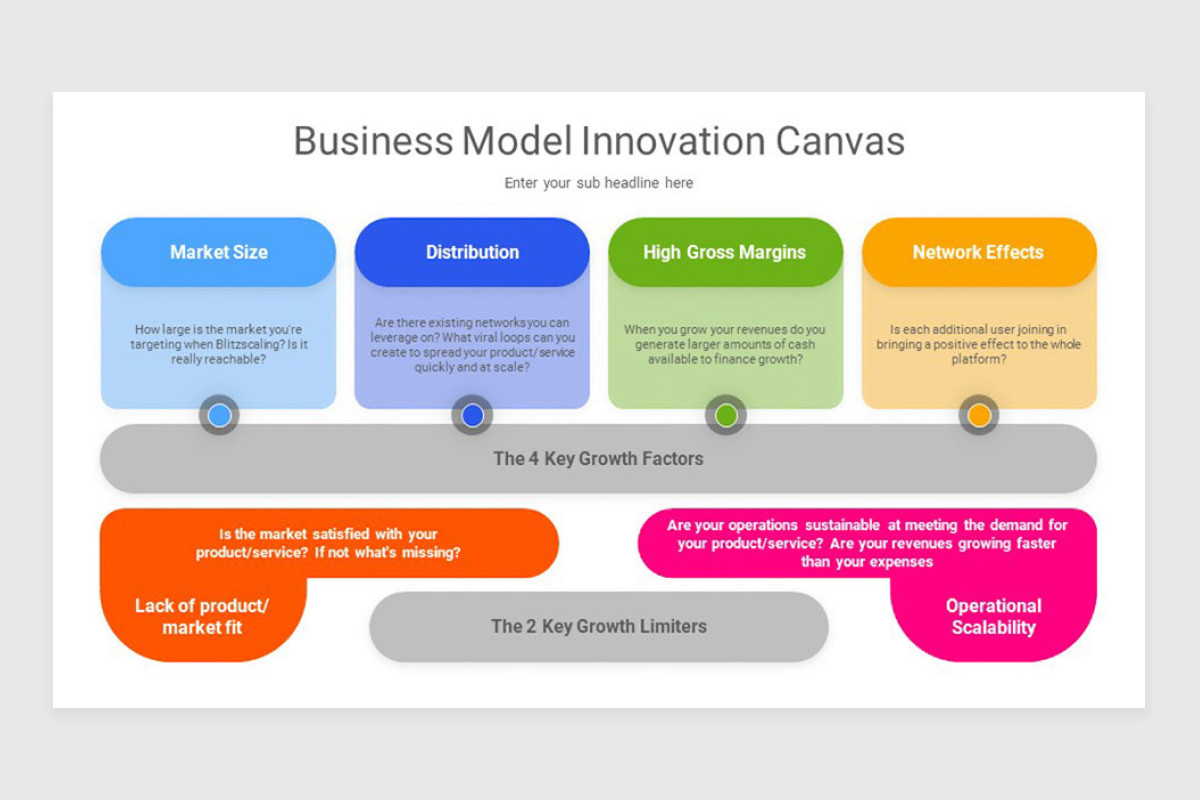
Developing new business products inherently carries risks. Market uncertainties, technological hurdles, and internal resource constraints can quickly derail even well-intentioned projects. A lack of clear direction often leads to scope creep, budget overruns, and products that fail to resonate with their intended audience. Without a structured approach, teams can become siloed, pursuing individual agendas rather than unified product goals.
Effective product development relies on mitigating these challenges proactively. This involves setting realistic expectations, fostering transparent communication, and establishing robust feedback loops. By clearly articulating the problem being solved and the target customer from the outset, teams can avoid common pitfalls. Regular reviews against the original objectives ensure the product stays on track, adapting to market shifts without losing its core purpose. This disciplined approach minimizes waste and increases the likelihood of delivering a valuable solution.
Practical Steps in Innovation mapping for new business products
Implementing innovation mapping for new business products involves several practical steps. First, establish a cross-functional team. This team should include members from R&D, marketing, sales, and operations. Their diverse perspectives ensure a holistic view of the product lifecycle. Next, define the problem space. Use techniques like customer journey mapping or persona development to identify specific challenges your target audience faces. This focused understanding is critical.
Once problems are clear, generate a wide range of solutions. Brainstorming sessions, technology scouting, and reviewing emerging trends all contribute to this ideation phase. Then, systematically evaluate these ideas against criteria such as market potential, technical feasibility, and alignment with company strategy. Tools like Kano models or impact-effort matrices can help prioritize. Finally, develop a phased roadmap. This outlines key milestones, resource allocation, and validation points, moving from concept to minimal viable product (MVP) and beyond. Each phase includes clear decision gates to ensure continued viability.
Benefits of Innovation mapping for new business products
The strategic application of innovation mapping for new business products yields significant benefits. Organizations gain clarity on their innovation portfolio, understanding where resources are being allocated and why. This transparent view aids in making informed decisions, preventing scattered efforts and focusing on high-potential opportunities. For example, a company might use the map to identify white spaces in a crowded market or pinpoint where a technology convergence could create a novel product category.
Furthermore, this systematic approach significantly reduces the risk of product failure. By validating assumptions early and often, businesses avoid costly mistakes down the line. It shortens time-to-market by streamlining the development process and improving cross-functional communication. Teams are aligned on shared goals, working more efficiently towards a unified vision. Ultimately, a well-executed innovation map leads to products that truly meet customer needs, fostering sustained business growth and a strong competitive position.